
 James Dickey wrote the classic novel of survival, Deliverance. You’ll recall the importance folk music (and especially a guitar and banjo duet) played in the film. Dickey was an amateur guitar picker himself, and in his followup book Sorties (a collection of journals and essays) he expressed himself clearly and controversially about many subjects. Perhaps the most memorable of these opinions, and the one which had an immediate and long-lasting impact on me, was the following comment. “The debasement of all folk styles that have ever existed in the world comes to a culmination in Bobbie Gentry.” Whew! We here at GMR have awarded some Grinch Awards, and we’ve heard some bad music but I don’t think we’ve ever blamed any artist (and her work) for the collapse of civilization!
Raven Records has just reissued a couple of Ms. Gentry’s albums in remastered form and as soon as I opened the package, I thought at once of James Dickey’s proclamation.
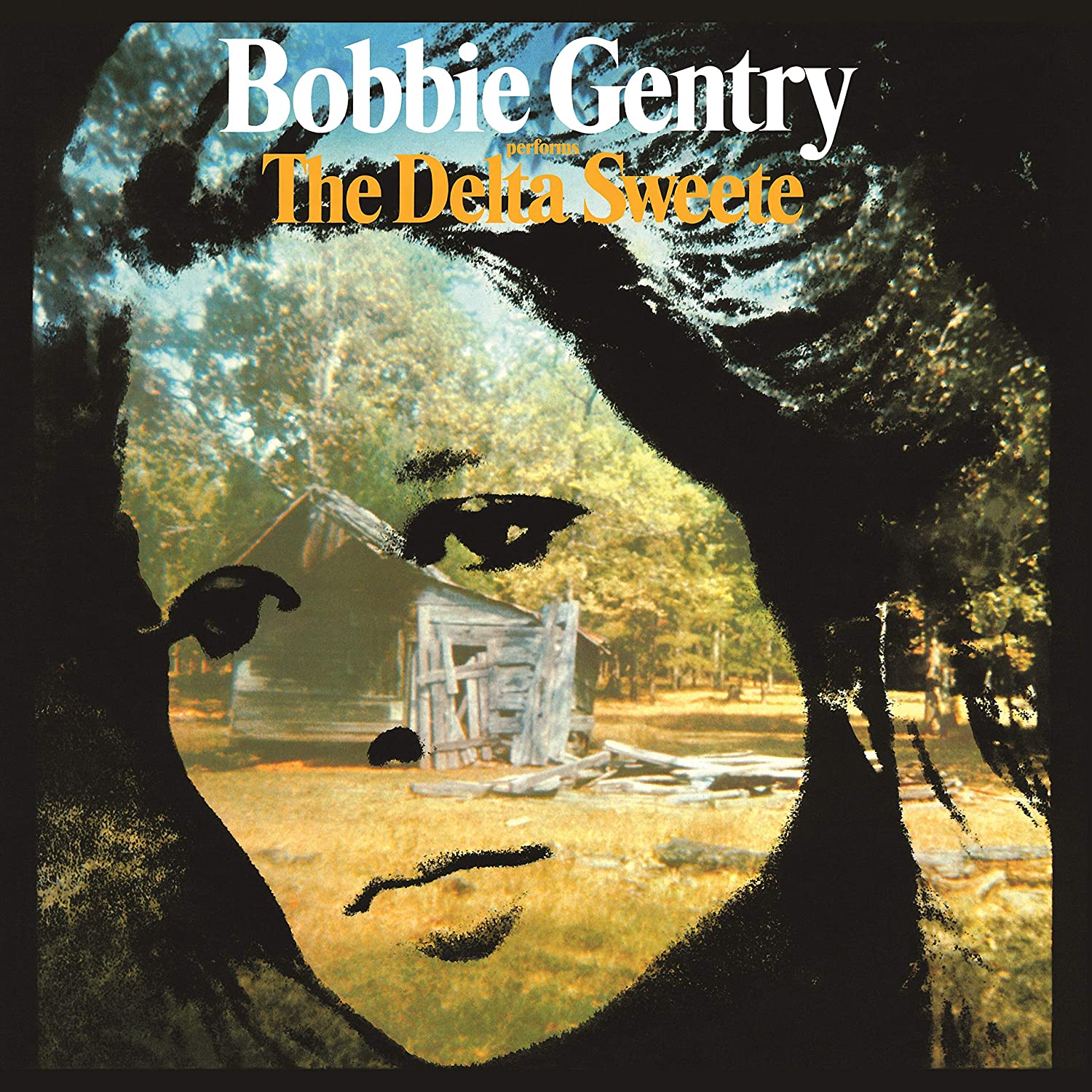
The Delta Sweete and Local Gentry were Bobbie’s followups to her Grammy-winning hit single, “Ode to Billy Joe.” What was it that Billy Joe McCallister threw off the Tallahatchie Bridge? Who knows? Who cares? Bobbie Gentry had clearly moved past those questions when she recorded these albums. They are filled with a commercialized swampy funk. This is pop music, aimed not at folk music purists like James Dickey, but rather designed for a much wider audience.
From the first track you hear the acoustic guitar that reminds you of the big hit, but supported with greasy horns and a slap bass. Then Gentry’s husky, sexy voice starts singing about the “Okolona River Bottom Land,” throwing around exotic city names like Biloxi, and drawing the listener into her Southern world. It’s pretty much one after another of the same formula, but it works somehow. In 1968 I wouldn’t have been caught dead listeniing to this stuff, but somehow the intervening years have softened my ears. And, geez, she does sound sexy, even when you know it’s put-on.
On The Delta Sweete she covers tunes written by such writers as Mose Allison (“Parchman Farm Blues”), John D. Loudermilk (“Tobacco Road”), and Doug Kershaw (“Louisiana Man”) but the bulk of the songs are of her own creation. “Reunion” is almost a skipping song, quite fun and celebrating the cadence of Southern speech. The sophisticated horn and string arrangements are by Jimmie Haskell and Shorty Rogers. Specific musicians are not listed.
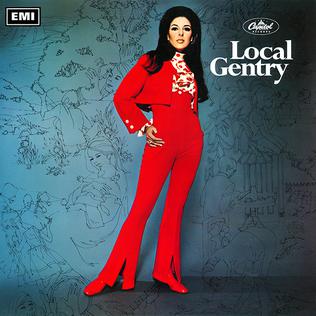 For the next album Local Gentry this sophistication would continue. The blues and Cajun covers were replaced with songs by Lennon and McCartney, Fred Hellerman, and Kenny Rankin. Gentry’s own songs also play a major role. Shorty Rogers is still on hand but Haskell is replaced by Perry Botkin Jr. This section begins with Gentry’s own “Sweete Peony” which echoes back to “Billy Joe” but also sounds like a distaff Tony Joe White.
There’s much of interest here (including three bonus tracks) and I’m surprised to say just how much I’ve enjoyed listening to it. For years when I thought of Bobbie Gentry I couldn’t help but recall Dickey’s vicious comment and chuckle, but listening to her music I find myself reassessing her talents comlpetely. Okay, maybe she’s not firmly in the folk tradition, but Raven’s compilation presents her as a pop stylist of considerable invention. Give her a try!
(Raven, 2006; originally released 1968)
